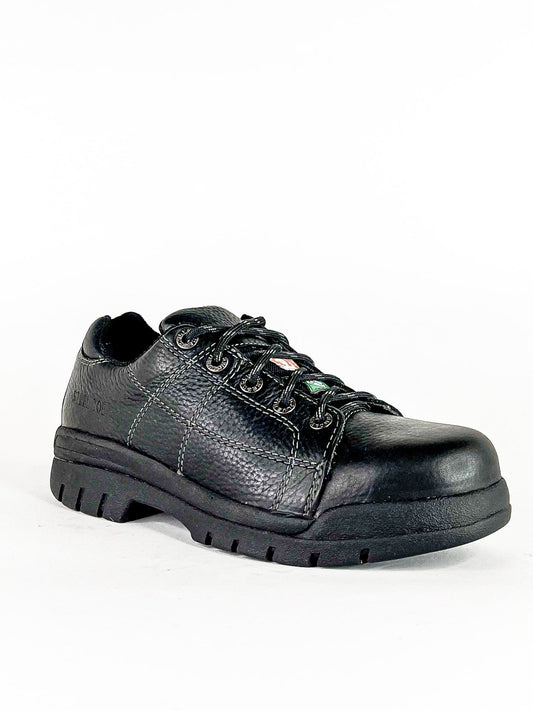
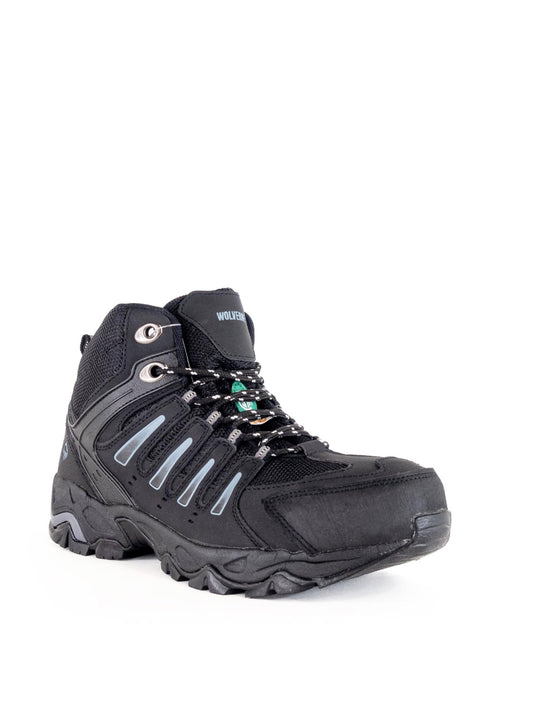
Collection: Wolverine Boots

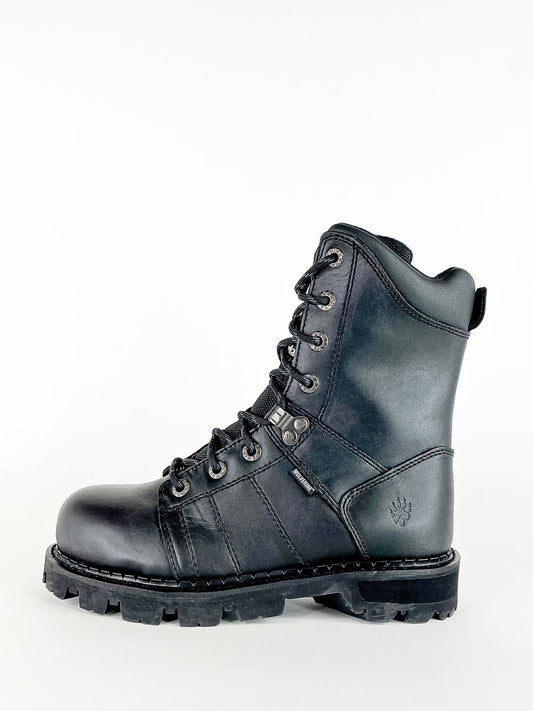
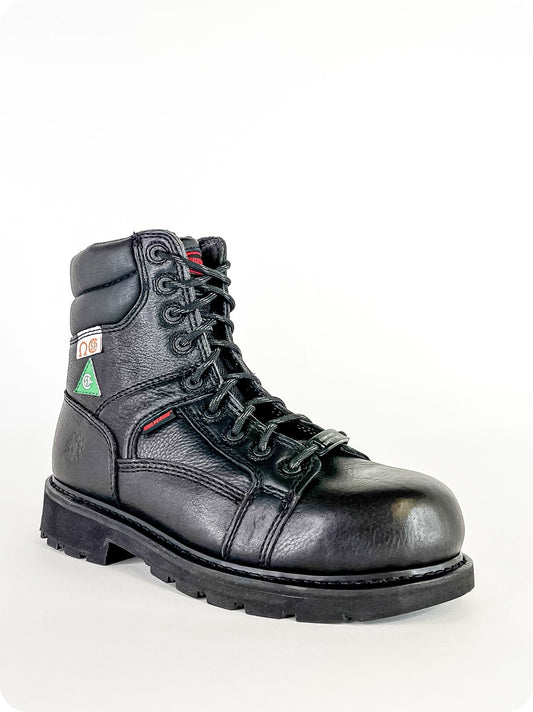
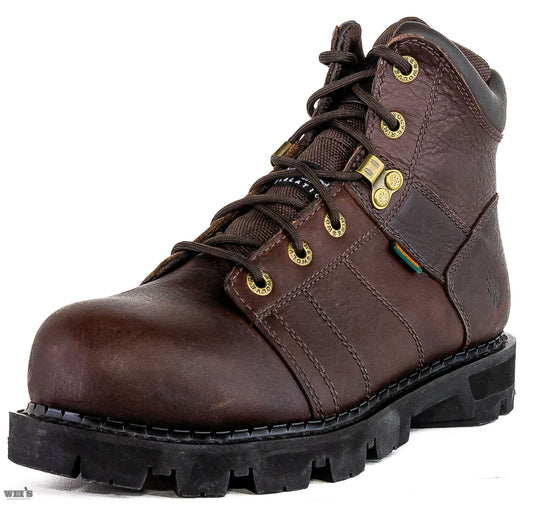
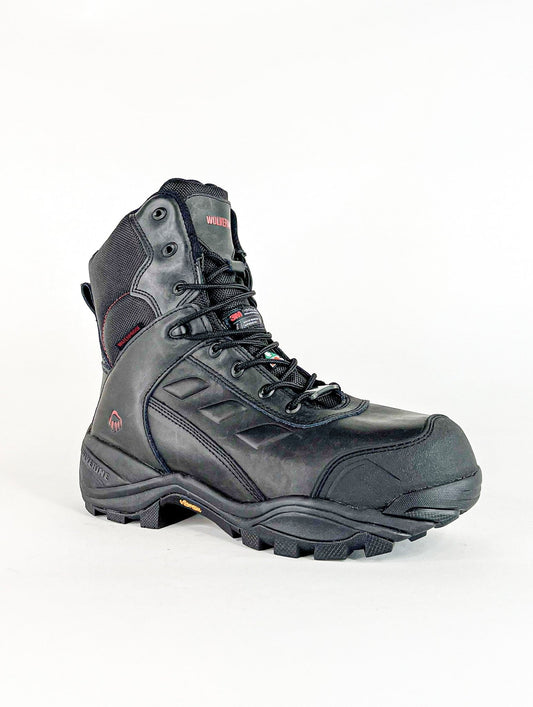
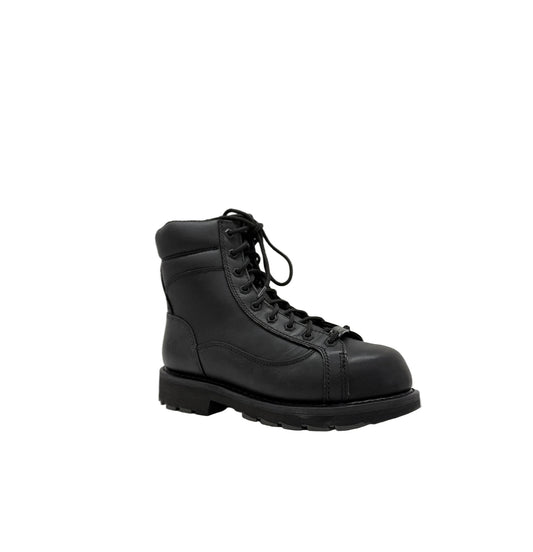
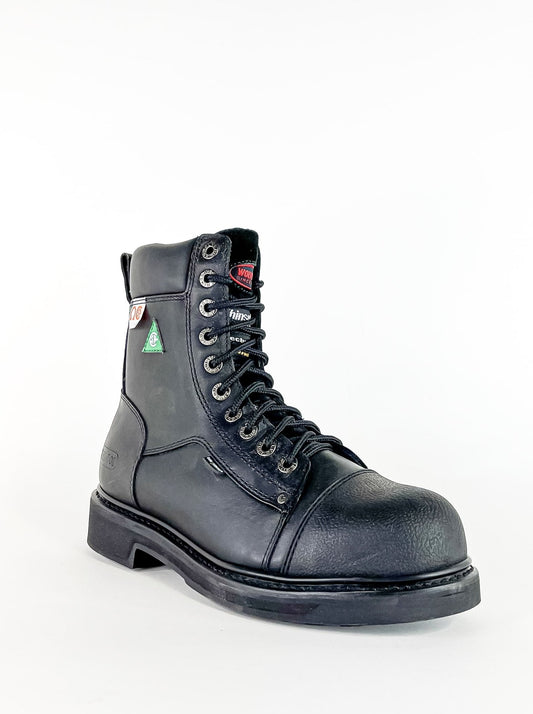
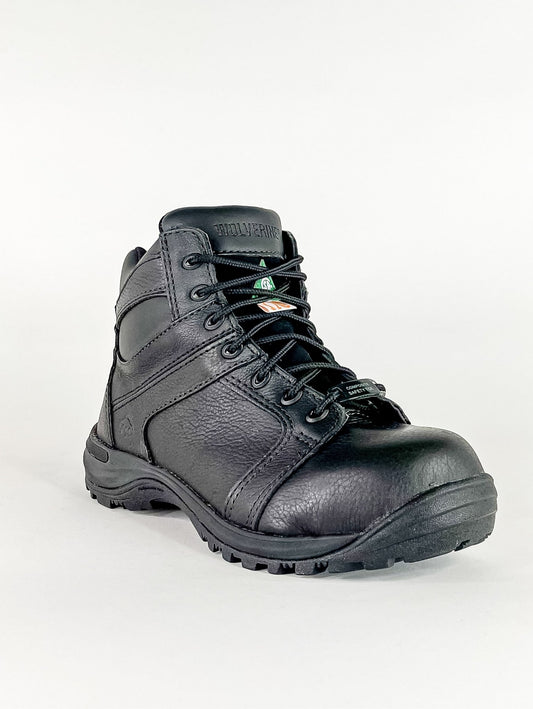
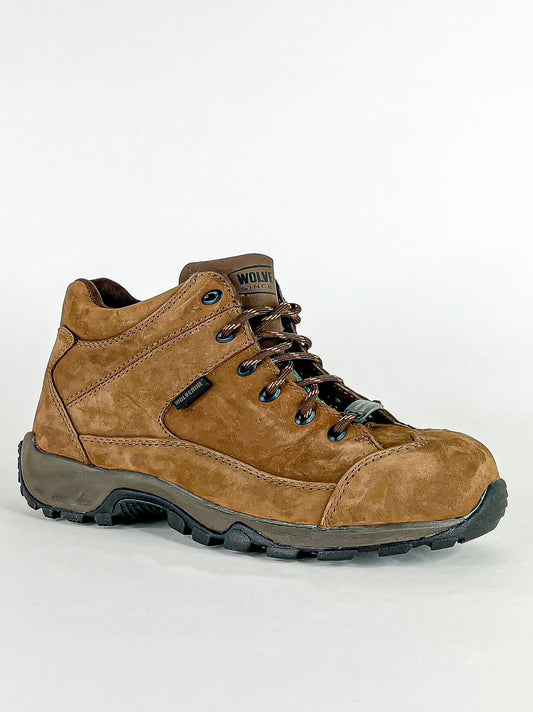
For over 100 years, Wolverine has built a reputation for crafting durable, purpose-built work boots and shoes that stand up to tough jobs. Wei’s offers a collection of more than 30 styles, including popular women’s work boots designed for comfort and safety.

 Explore the Wolverine collection at Wei’s Western Wear and browse our full range of reliable options in the Work Boots collection.

hello

26 products

FAQ's

Meeting Workplace Standards for Work Boots

You need to ensure the work boots pass the impact resistance standards approved by the Canadian Standards Association (CSA). Look for the CSA tag on a boot - a CSA patch should be sewn in a conspicuous place on the boot.

CSA, like other safety organizations, mandates testing standards and charges for testing to meet particular workplace standards. This increases the cost for the boot manufacturer, and the cost to you. 

Be aware that some boot manufacturers do not test their boots with CSA or other applicable organizations. They may construct the boot with materials that should meet the safety codes, but not pay for testing and not receive the formal  code approval. This could have big implications for meeting jobsite safety standards and workplace insurance requirements. 

Know what you are buying. Check the work boot specs and tags and the boot itself. As you browse through Wei's website, you'll see Wei's includes the manufacturer safety specs in each boot description.

What Are the Best Soles for Work Boots?

The most popular sole in the world is likely a Vibram sole. The classic Vibram Carramoto sole was introduced in 1937 by Vitale Bramini to enable better traction and safer mountain climbing. Almost 100 years later, this sole design is still licensed to many boot makers around the world.

The classic Vibram sole introduced in 1937.

A Vibram Longhaul sole used by Canada West boots.

A Vibram sole developed for Dunlop boots.

In the 1970s Vibram used Nitrile, an oil-resistant compound, in the Security sole to reduce slippage where oil hazards exist. The company has continued to develop high traction soles, often for other boot manufacturers.

For example, boot maker Dunlop commissioned a Vibram sole for the oil industry, resulting in one of Dunlop's best boots. See the Dunlop boot at Wei's.

How Are Work Boots Stitched?

The upper part of the boot protects your shin, instep, ankle and toes. The sole of the boot protects and supports your heel, arch, and ball of the foot, and helps prevent foot fatigue. So far, so good. Now to join those two pieces together and create the final work boot.

When boots and shoes were handmade (and they still can be, if you have the money to spend), the upper and sole were often stitched together using an additional piece of leather called a welt.

The welt was stitched to the upper, and stitched to the sole. The presence of the welt allowed the footwear to be re-soled, so your investment could last longer. However the extra labour ensured this footwear was more expensive, and not affordable for everyone.

In about 1872, Charles Goodyear finalized a machine that would complete this welting process, meaning the shoe could be manufactured more quickly and less expensively.

Boots with Goodyear welts could be more affordable compared to handmade versions, could be re-soled as needed, and did last longer. When you see a boot with stitches around the outside, you’re looking at a Goodyear welt.

Since about the 1970s, most shoes have been made by gluing or cementing the upper part of the boot to the sole. Once the sole wears out, it is not possible to attach another sole to the upper part of the boot. The lifespan of the footwear is much shorter, or is even disposable, but the cost is lower too.

Most work boots are not intended to be disposable. You buy the best fit and get the quality you need, then you break them in by wearing them week in and week out.

Having the option to re-sole the boots preserves the time you spent making them your own, and also costs less than buying new boots.

How Are Work Boots Made?

Your foot has many more dimensions than just your foot size. Your foot’s width, height, arch, instep and ball girth are just a few individual differences that you try to match when you buy a boot.

Each work boot manufacturer uses a last, a unique foot-shaped plastic model. Each last is shaped slightly differently, so each brand fits differently. One of the reasons each work boot brand has its own diehard fans is because those boots fit better for that person’s feet.

The leather is pulled over the last from the top, then the sole is stitched, or welted, to the leather using a variety of specialized cobbler’s tools.

What Makes Work Boots Comfortable?

Assuming you will buy work boots with the correct safety rating for the jobsite, then the number one consideration when buying a work boot is comfort. If it’s not comfortable, you won’t wear it.

You know your left foot and right foot are not the same size. Your feet also have particular length - Wei’s stocks some work boot styles up to size 15.
 
Your feet have a particular width, too – and the most popular width in Canada is EE or EEE. Wei’s also stocks single E and D widths, and selected B widths. So whether you need a 6B or a 15EEE or something in between, Wei’s legendary selection means we probably have stock of a boot that fits you.

Besides length and width your unique feet have a particular heel width, arch depth and length, instep height, and toes that may seem short or long. Read below how each boot brand uses unique lasts that create boots for specific feet. That’s why you should try on different brands, because they fit differently. Each facet of your foot can be accommodated by a combination of the boot brand and size, and an insole as needed. Wei’s also stocks a variety of Red Wing insoles, Ariat insoles for square toe or toes toe styles, and other insoles that help your work boot fit just right and provide extra comfort.

What Do You Need to Know About Work Boots?

As the saying goes, use the right tool for the job. Good work boots are the essential tools you choose that are needed to provide stability, safety and comfort for your job.

Not only do your work boots have to meet CSA and other safety codes that apply to electrical hazards, slippery surfaces or the danger of sharp objects, boots have to be comfortable, because they’ll be on your feet for hours and hours, in sun and rain, summer and winter.

You don’t want poor-fitting boots that lead to foot fatigue, and you certainly don’t want work boots that are not the right tool for the job.

Some employers mandate specific styles of work boots. Boot styles can be made for specific occupations, such as JB Goodhue styles made for ironworkers or oil riggers. Some employers might not allow pull-on work boots due to other safety standards.

Wei’s has the key quality brands any employer would recognize such as Red Wing, Ariat, Keen, JB Goodhue, Timberland Pro, Keen, Boulet, Viberg, Cofra, STC and many more top brands of work boots.

So, let’s break it down. With so much to think about, what do you need to consider when buying a man’s work boot?