Collection: Men's Work Boots
Gear up for the grind. Our men’s work boots deliver rugged durability, all-day comfort, and dependable protection. Shop trusted brands like Canada West to keep you steady on any job site.
-
Ariat
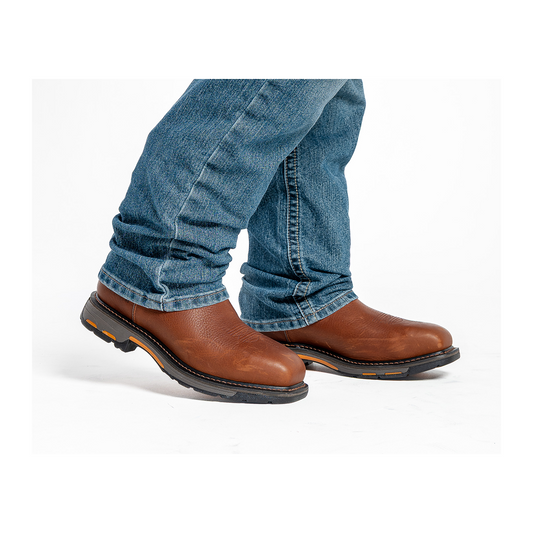
Ariat Work Men's Work Boots Workhog CSA Waterproof
Regular price $449.95 CADRegular priceUnit price / perSale price $449.95 CAD -
Ariat
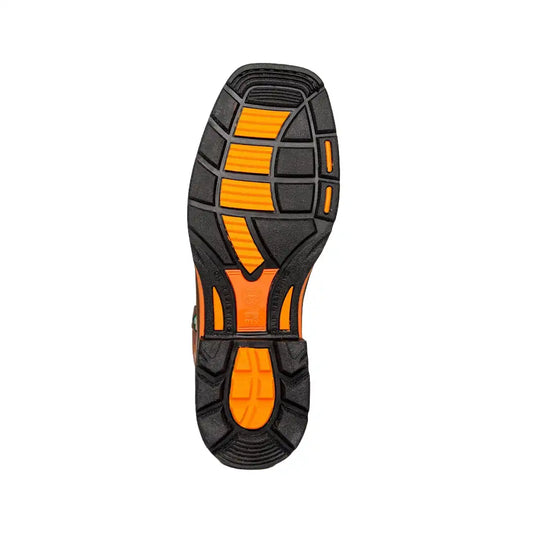
Ariat Men's Work Boots Workhog CSA Composite Toe
Regular price $409.95 CADRegular priceUnit price / perSale price $409.95 CAD -
Boulet
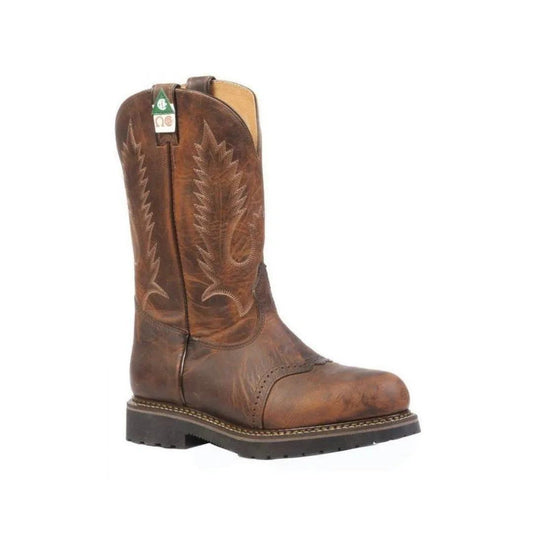
Boulet Men's Work Boot CSA Steel Toe
Regular price $399.95 CADRegular priceUnit price / perSale price $399.95 CAD -
Ariat
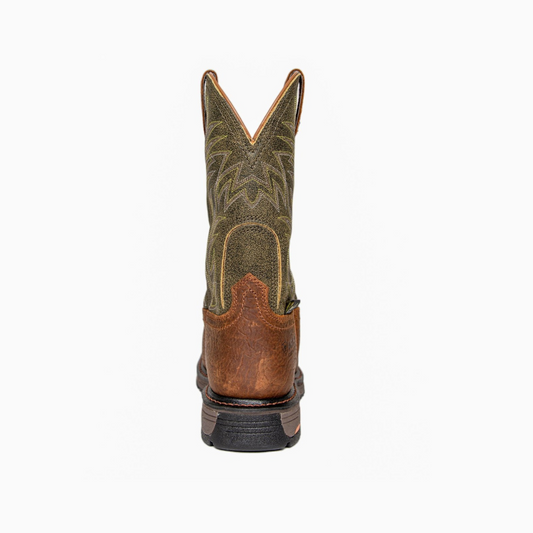
Ariat Men’s Work Boots Workhog MetGuard CSA Composite Toe
Regular price $429.95 CADRegular priceUnit price / perSale price $429.95 CAD -
Red Wing
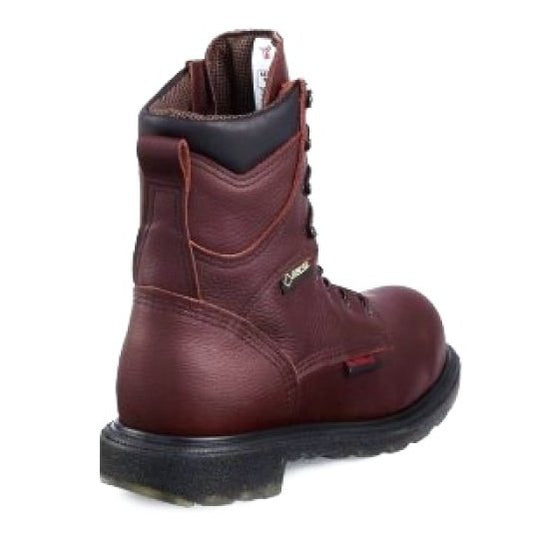
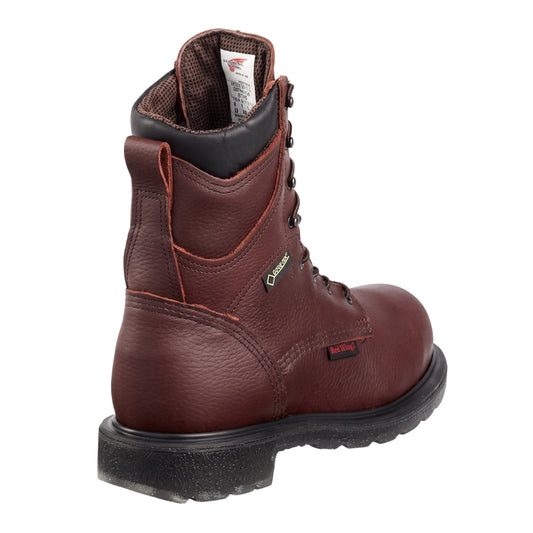
Red Wing Men's Work Boots CSA Steel Toe Insulated Waterproof Gore-Tex
Regular price $449.95 CADRegular priceUnit price / perSale price $449.95 CAD -
Red Wing
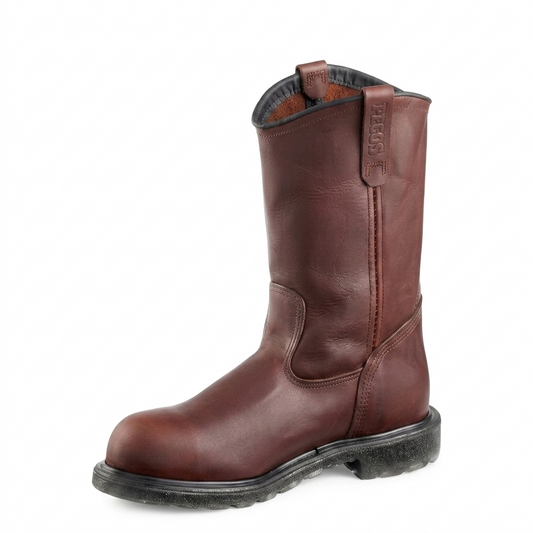
Red Wing Men's Work Boots CSA Steel Toe Heavy Duty Pull-On
Regular price $359.95 CADRegular priceUnit price / perSale price $359.95 CAD -
Baffin
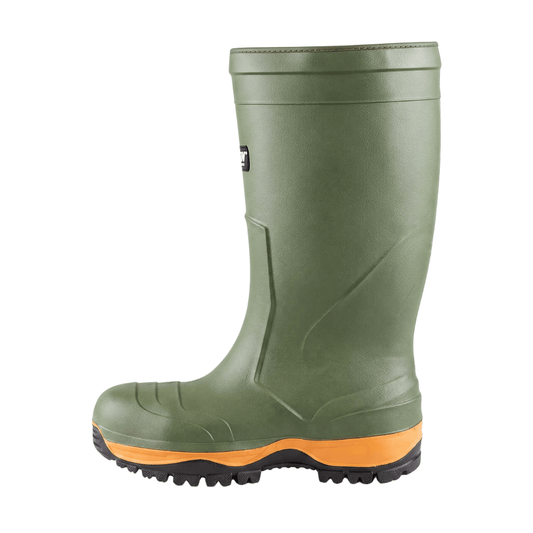
Baffin Men's Work Boots Ice Bear CSA Composite Toe
Regular price $299.95 CADRegular priceUnit price / perSale price $299.95 CAD -
Ariat
Ariat Men’s WorkHog CSA Waterproof Insulated Composite Toe Work Boot
Regular price $469.95 CADRegular priceUnit price / perSale price $469.95 CAD -
Timberland PRO
Timberland PRO Men's Work Boots CSA Gridworks
Regular price $249.95 CADRegular priceUnit price / perSale price $249.95 CAD -
Ariat
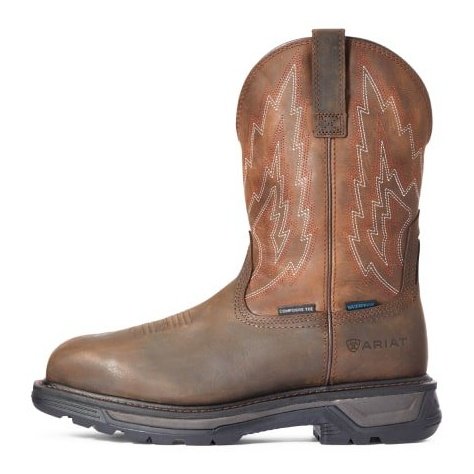
Ariat Men’s Work Boots Big Rig Comp Toe
Regular price $394.95 CADRegular priceUnit price / perSale price $394.95 CAD -
Muck Boots
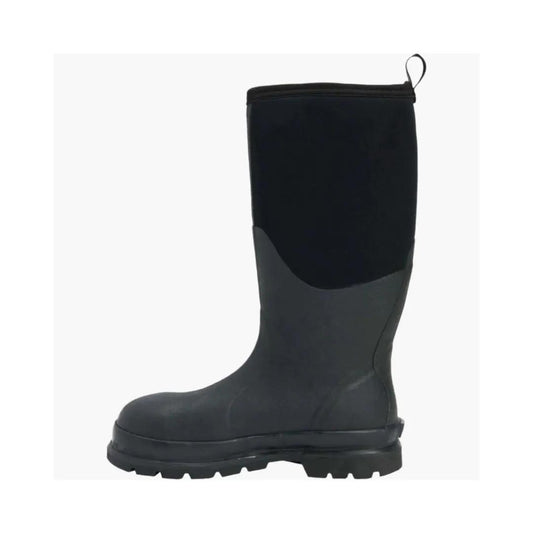
Muck Men's Chore Classic Boot Waterproof Tall CSA Steel Toe
Regular price $229.95 CADRegular priceUnit price / perSale price $229.95 CAD -
Canada West Boots
Canada West Men's Work Lace-Up Steel Toe Boots
Regular price $329.95 CADRegular priceUnit price / perSale price $329.95 CAD -
Canada West Boots
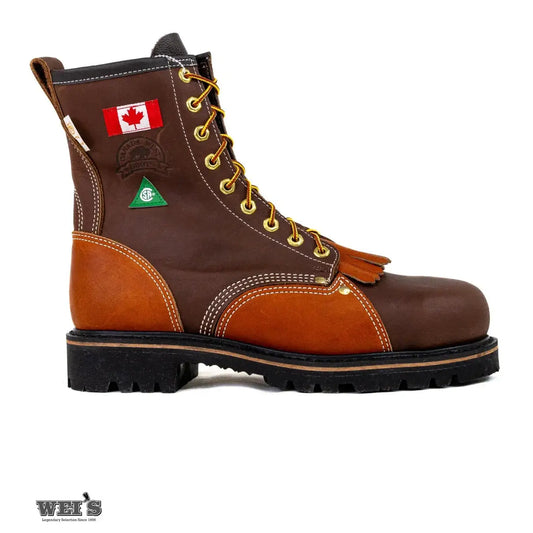
Canada West Men's Work Lace-Up Climber CSA Steel Toe Boots
Regular price $419.95 CADRegular priceUnit price / perSale price $419.95 CAD -
Ariat
Ariat Work Men's Work Boots Big Rig Waterproof Composite Toe
Regular price $379.95 CADRegular priceUnit price / perSale price $379.95 CAD -
Red Wing
Red Wing Men's Work Boots CSA Steel Toe Waterproof Gore-Tex
Regular price $439.95 CADRegular priceUnit price / perSale price $439.95 CAD -
Ariat
Ariat Men's WorkHog CSA XTR Waterproof Composite Toe
Regular price $469.95 CADRegular priceUnit price / perSale price $469.95 CAD
FAQ's
What Are Women's Work Boot Sizes?
Women’s work boot sizes start at about 5, and go up to about 10. The widths are usually B or C. Your feet are typically not exactly the same, one may be longer or wider than the other, and you need to buy boots to fit the larger foot.
Can a Woman Wear a Man’s Work Boot Size?
Why do women and men have separate sizing charts? Can’t they use the same sizes? The short answer is that separate sizing charts are needed, and here’s why.
Generally, women’s feet are shorter than men’s. Women’s shoe and boot size is about 1.5 sizes larger than men’s, so if you wear a women’s size 8.5, try a man’s size 7.
But there are other differences too. Women’s feet are generally narrower in the ankle and heel. Women usually have a B or D width. But some women might have wider than usual feet, and need an E or even EE width. And, some men with narrow feet need a B or D width.
As you’ve probably guessed, a boot width is the same for both women and men. If you wear women's 8.5D, try a men’s 7D.
Here’s the kicker. A woman’s foot has less mass than a man’s. The instep height is likely to be shorter. If we reverse the example above, can a man with a 7D size try on a women’s 8.5D boot? The answer is the man will have difficulty putting on the woman’s boot. This is why each gender has its own size chart.
Working people know Wei’s is a destination for work boots, so we get all kinds of questions and requests for sizes. We know from experience that some women need a man’s wider boots, and every brand fits a little differently.
What is the Difference Between a Women’s Safety Boot and a Women’s Safety Shoe?
The difference is - you guessed it - the height. A safety shoe does not cover the ankle, and a safety boot does cover the ankle. Both should have mid-sole puncture-resistant steel plates, in case you step on a nail), and superior slip resistance against wet, icy, or oily surfaces. Check the specifications to be sure they meet the standards of your worksite.
What If a Woman Has Long Feet or Wide Feet?
We know from experience that some women want or need a man’s wider work boot in an E or even EE width. Working people know Wei’s is a destination for work boots, so we get all kinds of questions and requests for sizes.
These wider-foot women may also consider a Unisex style, such as Muck Boots or Blundstone, or cold-weather boots like Baffin or Dunlop. See the brand-specific size charts in Wei’s website to find your right fit.
What Do Women Want in a Work Boot?
A woman’s boot needs to meet required safety standards at her jobsite. She might prefer a style that is less ‘clunky’ or ‘ugly’ and some manufacturers make boots that are intended to appeal to women. Check out the colours of Ariat tall pull-on work boots, or the styles of Portland, Oregon based Keen.
Like any safety-conscious working person, a woman wants to meet the safety
Are there Safety Toe
Women are willing and able to take on just about any job a man can. Women are increasingly battling the odds and becoming electricians, pipefitters and welders, and Canadian women are the way in some of these trades.
However, most women who need a safety toe might work in a warehouse position, or an office position where they need safety toes when they go into specific areas. In most of these cases, these women can choose a safety toe shoe. If your job includes standing on hard surfaces for long periods of time, consider using shock-absorbing insoles.
What are the Safety Features of a Woman’s Work Boot?
Several safety features are built into every women’s work boot. If you don’t see these in the features, don’t buy the boot. Other features are optional. They’re good to have and help protect you.
Minimum safety boot of safety shoe standards include leather uppers. oil-resistant and non-side soles.
Leather Upper - As you know, leather is an all-weather protector for animals. It is waterproof (when not cut), tough, and has abrasion resistance. Leather is also cushioning. However it is not puncture-resistant by itself.
Oil-Resistance - Oil is one of the hazards of almost any industrial workplace. It’s super-slippery and
Slip-Resistant Sole - an outsole (the bottom of the shoe or boot) must have a gripping pattern that helps the user grip the terrain and keep her balance. Outsoles were once rubber but are now made from synthetic materials that are even better, providing density, water resistance, and comfort.
Safety Toe - the steel toe or composite (hard plastic) toe of a work boot protects against some of the most common jobsite hazards.
Steel Plate - steel plates underneath your insole guard against stepping on loose nails, sharp metal or glass objects.
Electric Shock Resistant - electrical shocks are caused by static electricity, or contact with sources of electricity.
Fire Retardant - features such as Kevlar stitching, Kevlar laces or even FR-treated leather all help protect against, including not attracting fire or flame.
Do Warehouse Jobs Require Metatarsal Protection on Footwear?
Warehouse positions do not all require metatarsal guards, or metguards, but increasingly they are part of the requirements. That’s because statistics show most foot injuries in warehouses are caused by something up to 10kg falling a distance of a foot or two, and landing on top of your foot - the metatarsal region.
A metguard is a curved steel plate in the boot or shoe that fits on top of your foot. Some work boots have internal met guards that cannot be seen but sit on top of your foot. Most metguards are external, and you can see the plate on top of the boot.
External met guard on a Carolina 505 men’s work boot, and internal met guard on a Blundstone 165 with Unisex sizing. Both are stocked by Wei’s.
What Do You Need to Know About Work Boots?
As the saying goes, use the right tool for the job. Good work boots are the essential tools you choose that are needed to provide stability, safety and comfort for your job.
Not only do your work boots have to meet CSA and other safety codes that apply to electrical hazards, slippery surfaces or the danger of sharp objects, boots have to be comfortable, because they’ll be on your feet for hours and hours, in sun and rain, summer and winter.
You don’t want poor-fitting boots that lead to foot fatigue, and you certainly don’t want work boots that are not the right tool for the job.
Some employers mandate specific styles of work boots. Boot styles can be made for specific occupations, such as JB Goodhue styles made for ironworkers or oil riggers. Some employers might not allow pull-on work boots due to other safety standards.
Wei’s has the key quality brands any employer would recognize such as Red Wing, Ariat, Keen, JB Goodhue, Timberland Pro, Keen, Boulet, Viberg, Cofra, STC and many more top brands of work boots.
So, let’s break it down. With so much to think about, what do you need to consider when buying a man’s work boot?
What Makes Work Boots Comfortable?
Assuming you will buy work boots with the correct safety rating for the jobsite, then the number one consideration when buying a work boot is comfort. If it’s not comfortable, you won’t wear it.
You know your left foot and right foot are not the same size. Your feet also have particular length - Wei’s stocks some work boot styles up to size 15.
Your feet have a particular width, too – and the most popular width in Canada is EE or EEE. Wei’s also stocks single E and D widths, and selected B widths. So whether you need a 6B or a 15EEE or something in between, Wei’s legendary selection means we probably have stock of a boot that fits you.
Besides length and width your unique feet have a particular heel width, arch depth and length, instep height, and toes that may seem short or long. Read below how each boot brand uses unique lasts that create boots for specific feet. That’s why you should try on different brands, because they fit differently. Each facet of your foot can be accommodated by a combination of the boot brand and size, and an insole as needed. Wei’s also stocks a variety of Red Wing insoles, Ariat insoles for square toe or toes toe styles, and other insoles that help your work boot fit just right and provide extra comfort.
How Are Work Boots Made?
Your foot has many more dimensions than just your foot size. Your foot’s width, height, arch, instep and ball girth are just a few individual differences that you try to match when you buy a boot.
Each work boot manufacturer uses a last, a unique foot-shaped plastic model. Each last is shaped slightly differently, so each brand fits differently. One of the reasons each work boot brand has its own diehard fans is because those boots fit better for that person’s feet.
The leather is pulled over the last from the top, then the sole is stitched, or welted, to the leather using a variety of specialized cobbler’s tools.
How Are Work Boots Stitched?
The upper part of the boot protects your shin, instep, ankle and toes. The sole of the boot protects and supports your heel, arch, and ball of the foot, and helps prevent foot fatigue. So far, so good. Now to join those two pieces together and create the final work boot.
When boots and shoes were handmade (and they still can be, if you have the money to spend), the upper and sole were often stitched together using an additional piece of leather called a welt.
The welt was stitched to the upper, and stitched to the sole. The presence of the welt allowed the footwear to be re-soled, so your investment could last longer. However the extra labour ensured this footwear was more expensive, and not affordable for everyone.
In about 1872, Charles Goodyear finalized a machine that would complete this welting process, meaning the shoe could be manufactured more quickly and less expensively.
Boots with Goodyear welts could be more affordable compared to handmade versions, could be re-soled as needed, and did last longer. When you see a boot with stitches around the outside, you’re looking at a Goodyear welt.
Since about the 1970s, most shoes have been made by gluing or cementing the upper part of the boot to the sole. Once the sole wears out, it is not possible to attach another sole to the upper part of the boot. The lifespan of the footwear is much shorter, or is even disposable, but the cost is lower too.
Most work boots are not intended to be disposable. You buy the best fit and get the quality you need, then you break them in by wearing them week in and week out.
Having the option to re-sole the boots preserves the time you spent making them your own, and also costs less than buying new boots.
What Are the Best Soles for Work Boots?
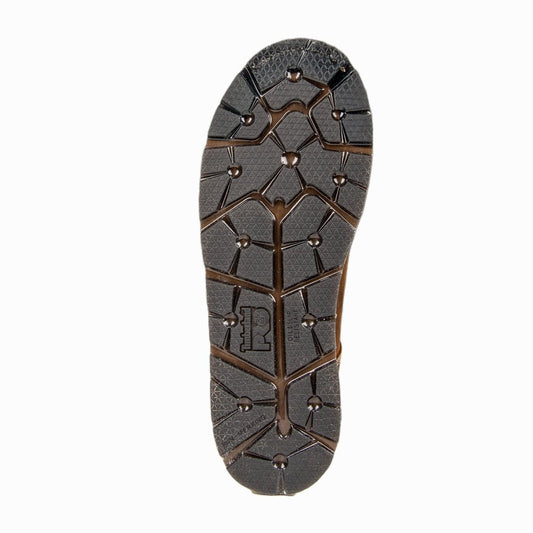
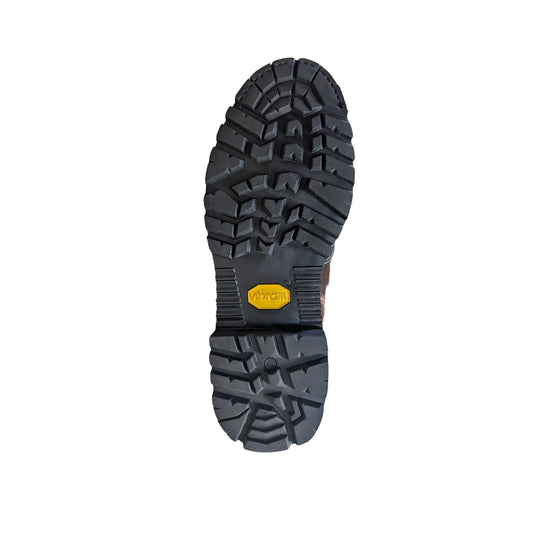
The most popular sole in the world is likely a Vibram sole. The classic Vibram Carramoto sole was introduced in 1937 by Vitale Bramini to enable better traction and safer mountain climbing. Almost 100 years later, this sole design is still licensed to many boot makers around the world.
The classic Vibram sole introduced in 1937.
A Vibram Longhaul sole used by Canada West boots.
A Vibram sole developed for Dunlop boots.
In the 1970s Vibram used Nitrile, an oil-resistant compound, in the Security sole to reduce slippage where oil hazards exist. The company has continued to develop high traction soles, often for other boot manufacturers.
For example, boot maker Dunlop commissioned a Vibram sole for the oil industry, resulting in one of Dunlop's best boots. See the Dunlop boot at Wei's.
What is Better, Steel Toed Boots or Composite Toed Boots?
As workplace safety standards increased, especially in the 1950s, foot protection solutions were a priority since foot injuries are common.
Your feet need protection from falling objects on top of the foot and punctures into the bottom of the foot, as well as protection from intense heat, electrical and chemical hazards, and of course from slipping.
Steel toe boots, steel toe caps and safety shoes became increasingly mandated, especially after the Occupational Health and Safety Act was introduced in the US in 1970.
Steel may also be used to protect the metatarsal (upper instep) part of the foot, or placed on the bottom of the insole to protect against punctures from sharp objects.
Work boots are now offered in steel toe, aluminum toe and composite toe styles. How do steel toe caps compare to composite to caps?
Steel Toe Advantages and Disadvantages
The steel used in safety boots is not just a slab of steel - the pieces are precisely cut according to safety standards and are of course fitted to a particular boot style.
The main advantage of steel is its strength. For many decades steel was the strongest manufacturing material available. Steel plates have typical thickness of about 1.5 - 2mm, so they are very thin, while being very strong.
Disadvantages of steel toes include their conductivity. Steel is a great conductor and a poor insulator. It will conduct electrical charges and freezing cold temperatures. The steel in your boot is wrapped in leather or other materials to limit this conductivity.
The weight of the steel adds to the weight of the boot, influencing foot fatigue and general productivity.
Composite Toe Advantages and Disadvantages
A big advantage of composite toe boots is they will not conduct electricity the way a metal toe would. If you work around electrical hazards, this could be a big purchase factor.
Another advantage of composite toes is they will insulate against freezing cold temperatures better than steel toes.
Composite toes weight a lot less than steel toes. Hold a composite boot in one hand and a steel toe in the other, and you can probably tell the difference in weight.
Is there a disadvantage to composite toe boots? There could be a difference in the amount of impact these two types of work boots can withstand. Just like a car made of high tech plastic versus steel, there may be a difference in impact resistance.
However, if composite boots meet safety code standards then there should not be a worry.

What is a Metguard?
Your foot contains more than 25 bones, as well as muscles, ligaments, and joints such as the ankle.
One of the bone groups is the metatarsal, which contains the 5 longest foot bones, and is attached to your toes. A metguard is a strong covering attached to your boot to cover those 5 bones and help prevent metatarsal injuries.
Metatarsal injuries are very common because the metatarsal area is large and exposed. Most metatarsal injuries are caused by an object weighing less than 10kg falling on the top of your foot.
In other words, warehouse jobs are some of the most common sites of a metatarsal injury, and the workers who most likely need a metguard on their boot.
Wei’s stocks several boots with metguard protection.
The popular Ariat Metguard work boot has an internal composite metatarsal protective plate. Red Wing, Carolina, Terra, STC, JB Goodhue, CAT and other brands have metguard styles. Shop Wei’s Collection of Metguard boots.
Meeting Workplace Standards for Work Boots
You need to ensure the work boots pass the impact resistance standards approved by the Canadian Standards Association (CSA). Look for the CSA tag on a boot - a CSA patch should be sewn in a conspicuous place on the boot.
CSA, like other safety organizations, mandates testing standards and charges for testing to meet particular workplace standards. This increases the cost for the boot manufacturer, and the cost to you.
Be aware that some boot manufacturers do not test their boots with CSA or other applicable organizations. They may construct the boot with materials that should meet the safety codes, but not pay for testing and not receive the formal code approval. This could have big implications for meeting jobsite safety standards and workplace insurance requirements.
Know what you are buying. Check the work boot specs and tags and the boot itself. As you browse through Wei's website, you'll see Wei's includes the manufacturer safety specs in each boot description.
Branded Components Can Increase Confidence
As a work boot customer, you want to be confident the boots deliver on their promises. If a boot promises to be waterproof, it had better be waterproof, not just water resistant. If a boot promises to perform in the winter, the insulation must work well and not be bulky.
Slip resistance is very important. Different types of sole patterns or sole materials are designed to grip better on wet concrete surfaces or oily steel surfaces. When you are working with hazards like these, the boot has to help keep you safe.
A boot manufacturer makes boots, but can they also make the best gripping soles, the best waterproofing technology, and the best lightweight insulation? Does a jack of all trades do everything equally well? That’s the challenge.
A work boot company must decide whether to develop specialized component technology in-house, or buy branded technologies such as Vibram soles, Gore-Tex waterproofing and Thinsulate insulation.
These household names have a lot of consumer confidence, but licensing their technologies will increase the price of the boot.
When you see these brand names included in the style of the boot it means you should have more confidence in the boot, and you’ll generally be paying more for that confidence.
Are Rubber Boots Good for Work?
Remember the old orange and black rubber boot, or gum boots, from decades ago? Being waterproof was their only advantage. Those old rubber boots don’t breathe, so feet get sweaty and smelly. They’re not insulated, so in winter feet get cold fast. Gum boots don’t fit very well and generally have terrible arch support, so your feet get tired quickly, then get sore, in addition to being wet and stinky
Some companies such as Dunlop, Baffin and Muck have created next generations of rubber-style boots. All three brands have their fans, touting comfort while walking, warmth to -25C, dry feet, and durability. Some people use their Irish Setter boots for winter and rave about their warmth and waterproof abilities. However, Irish Setters are soft toe boots.
At Wei’s you’ll find several styles of Dunlop, Baffin and Muck boots that are some of the best Winter work boots anywhere. Our customers are very happy with their Muck Artic Pro Sport boots, Baffin Ice Bear boots and Dunlop Purofort boots.
What Brands make Unisex Styles for Women and Men?
Muck, Blundstone, Baffin and Dunlop make Unisex styles and provide size charts to translate between Women’s sizes and Men’s sizes. Note, Muck also makes boots specifically for Women.
Muck and Blundstone both make safety toe work boots in Unisex sizes that fit women. Find your size in the brand-specific size charts on the Wei’s website.
What Brands Make Work Boots Especially for Women?
Wei’s Western Wear stocks several brands of women’s work boots. Danner is preferred by many women in law enforcement. Canada West makes the 11-inch style 6205 for Women. Keen women’s boots are usually 6 inch or 8 inch boots such as the Oshawa. Ariat makes several workboot styles for women, such as the Riveter and the Tracey, stocked by Wei's.
Wei’s also has some Wolverine, Kodiak, Terra and CAT workboots for women, subject to current availability.
Women’s work boot styles Canada West 11-inch style 6205 and Keen 8-inch lace–up Oshawa are both stocked at Wei’s.
Wei’s inventory includes the Danner women’s Acadia, which is made in the USA, and the Ariat Women’s Workhog.
What is Gore-Tex and How Does it Work?
If a work boot company does not specialize in rubbery boots, they can take their best-selling work boots and add waterproofing.
Nowadays there are excellent waterproofing materials used by major brands to add to their regular work boots. Red Wing took their top-selling 2412 boot and added Gore-Tex, producing the waterproof style and re-numbering it 2414
One of the most famous waterproofing materials is Gore-Tex, which since the 1970s has become a staple of waterproofing. The patented expanded polytetrafluoroethylene (or ePTFE) has microscopic openings which let out steam (our body sweat or foot sweat) but does not allow liquid water molecules to go through.
Gore-Tex is produced in textile form and can be cut into sheets and shapes. It is licensed to manufacturers who place a layer of it in their products, producing waterproof work boots or waterproof outerwear.
Other companies have an in-house or proprietary waterproofing material. Irish Setter boots are technically hunting boots, but steel-toed Irish Setters are used for some work. Irish Setter has a proprietary waterproofing material that stands up to standing in water for hours, and keeping your feet bone dry.
What Makes Good Winter Boots?
When you’re working outside in winter conditions, how do you keep warm? Most clothing companies now know that layering is essential. A base layer, mid layer and outer layer help air flow, help wick away moisture, and provide warmth with specialized weaving that produces miniature air pockets for your body to warm.
Thinsulate is a synthetic material engineered at the molecular level to have gaps that are about 15 micrometres (0.00059 in) in diameter. These very small gaps trap air, but also allow moisture from sweat to escape so you don’t get sweaty and uncomfortable.
Thinsulate’s track record has seen it added to many brands of winter work boots, in typical amounts of 200g or 400g. Thinsulate is also found in winter gloves and winter clothing.